Sometimes the best discoveries in science are not new but are rediscoveries of an ancient piece of human civilization. On July 24, 1911, the ancient Incan city of Machu Picchu was found by Hiram Bigham’s expedition. Its rediscovery opened a new chapter in the study of one of the world’s greatest civilizations.
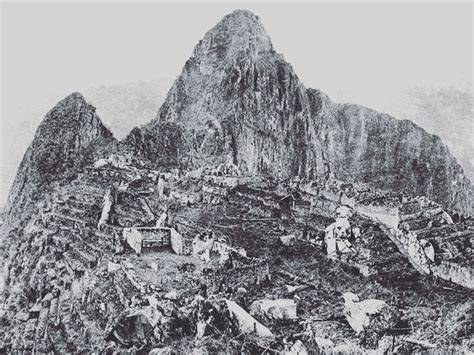
Bingham began his exploration in the Sacred Valley of the Incas. He was looking for the last capital city of the Incas, Vilcabamba, often called the Lost City of the Incas. Guided by locals, his expedition visited several Incan sites and he actually visited ruins near Vilcabamba however he failed to identify it as the Incan Capital. Continuing onward, Bringham eventually camped near the base of a steep, jungle covered mountain. On the morning of July 24, he began the steep and difficult climb where he was guided to an astonishing city of finely cut stones, hidden among the clouds. Before him stood Machu Picchu, however he mistakenly concluded that he had discovered Vilcabamba.
Over the following years, Bingham organized several more expeditions to map, excavate and photograph Machu Picchu. Beneath the think vegetation that had grown over the centuries were terraces, temples, plazas, and homes. It was an engineering marvel containing structures of precisely fitting stones without mortar, carefully designed terraces, and advanced agricultural and drainage systems. The site served as a royal estate for a few Incan Emperors, his court, priests, and servants that was visited seasonally. It was built around 1450 by the Emperor Pachacuti. The rediscovery of the site transformed our understanding of the Incas, preserving the sophistication of the civilization prior to European contact.