The discovery of DNA’s double helix structure ranks among the most important achievements in the history of science. It transformed our understanding of the biology, medicine, and genetics. Unfortunately, history doesn’t always recognize scientific contributions equally. Rosalind Franklin, born on July 25th, 1920, used her extraordinary skill as an X-ray crystallographer to produce some key evidence that helped to reveal the structure of DNA.
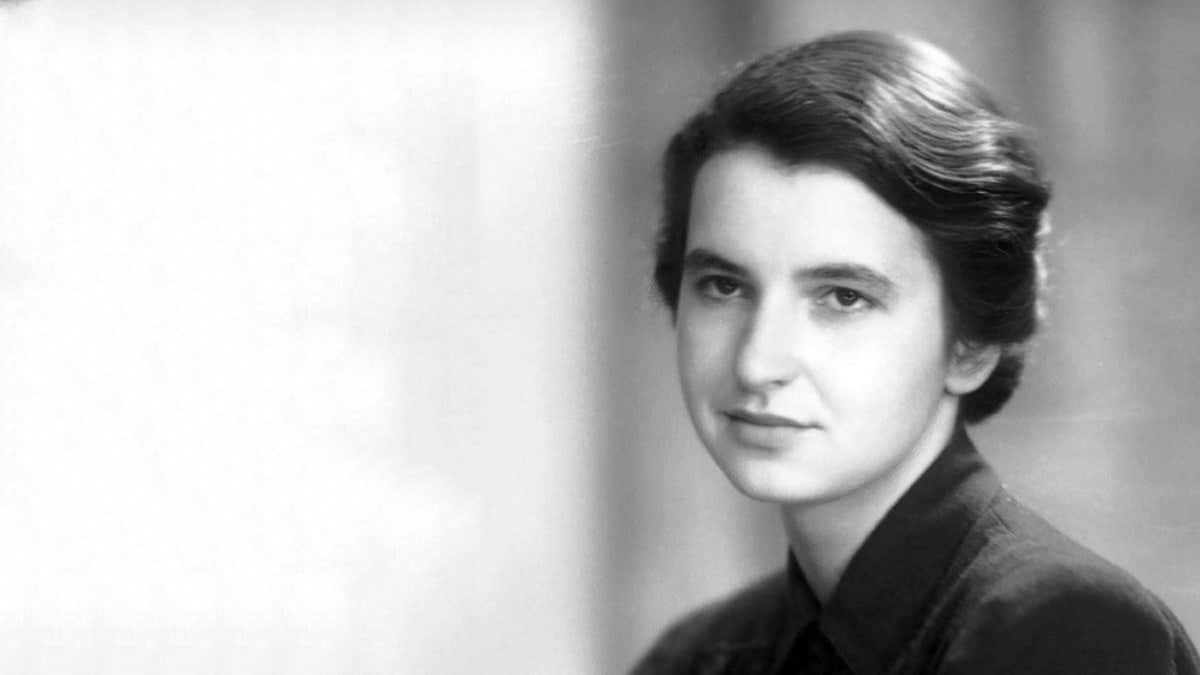
Working at King’s College London in the early 1950s, Franklin used X-ray diffraction to produce some of the clearest images ever taken of the DNA molecule. The process was meticulous, involving precision in preparing the DNA, shining the X-rays through the DNA, recording the diffraction pattern, and interpreting the pattern mathematically. Among her images is the famous Photo-51 that provided vital mathematical clues that DNA is a double helix. This photo was shown to James Watson by Maurice Wilkins without Franklin’s knowledge or permission, and Watson and James Crick used the data to develop their double helix model. Initially her role discovering the structure of DNA was underappreciated, but it is now widely recognized that her research was vital to the discovery.
Franklin’s legacy extends beyond the discovery of the structure of DNA. Her work exemplifies the very essence of science: careful observation, rigorous experimentation, and letting the evidence speak for itself. Although her recognition came slowly, she now claims her rightful place among the pioneers of molecular biology.
Another day, another discovery. Browse the On This Day Archive.