Every so often a medical breakthrough can be credited with saving millions of lives. Prior to 1922, a diagnosis of Type 1 diabetes was practically a death sentence, with nearly 100% of children dying within a few months to years of diagnosis. The discovery and isolation of insulin by Canadian surgeon Frederick Banting and medical student Charles Best on July 27, 1921 changed that reality, resulting in a revolutionary medical breakthrough.
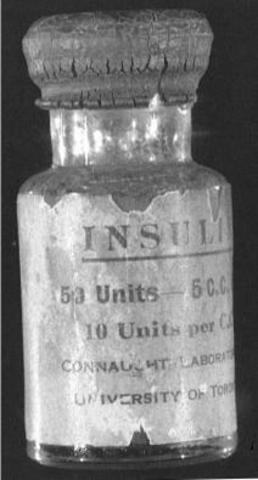
Banting and Best were working in a laboratory at the University of Toronto under the guidance of J. R. Macleod, where for months they had been experimenting with extracts from the pancreas. They knew the pancreas contain a substance capable of regulating blood sugar, and after painstaking work, they succeeded in extracting insulin from a healthy dog to treat another dog with diabetes. The next step was to treat diabetes in humans. On January 11, 1922, a 14-year-old boy was the first person to receive and insulin injection to treat diabetes. After some initial adjustments and with the help of biochemist James Collip, the boys’ condition improved. Within a few years, insulin was being produced on a large scale, transforming diabetes from a fatal disease into a manageable condition.
By 1923, insulin was being used around the world and Banting and Macleod were awarded the Noble Prize in Physiology and Medicine. Banting shared his prize money with Best and Macleod shared his prize money with Collip, recognizing the collaborative process. More than a century later, insulin continues to save millions of lives every day.
Another day, another discovery. Browse the On This Day Archive.